The deal starts at the door
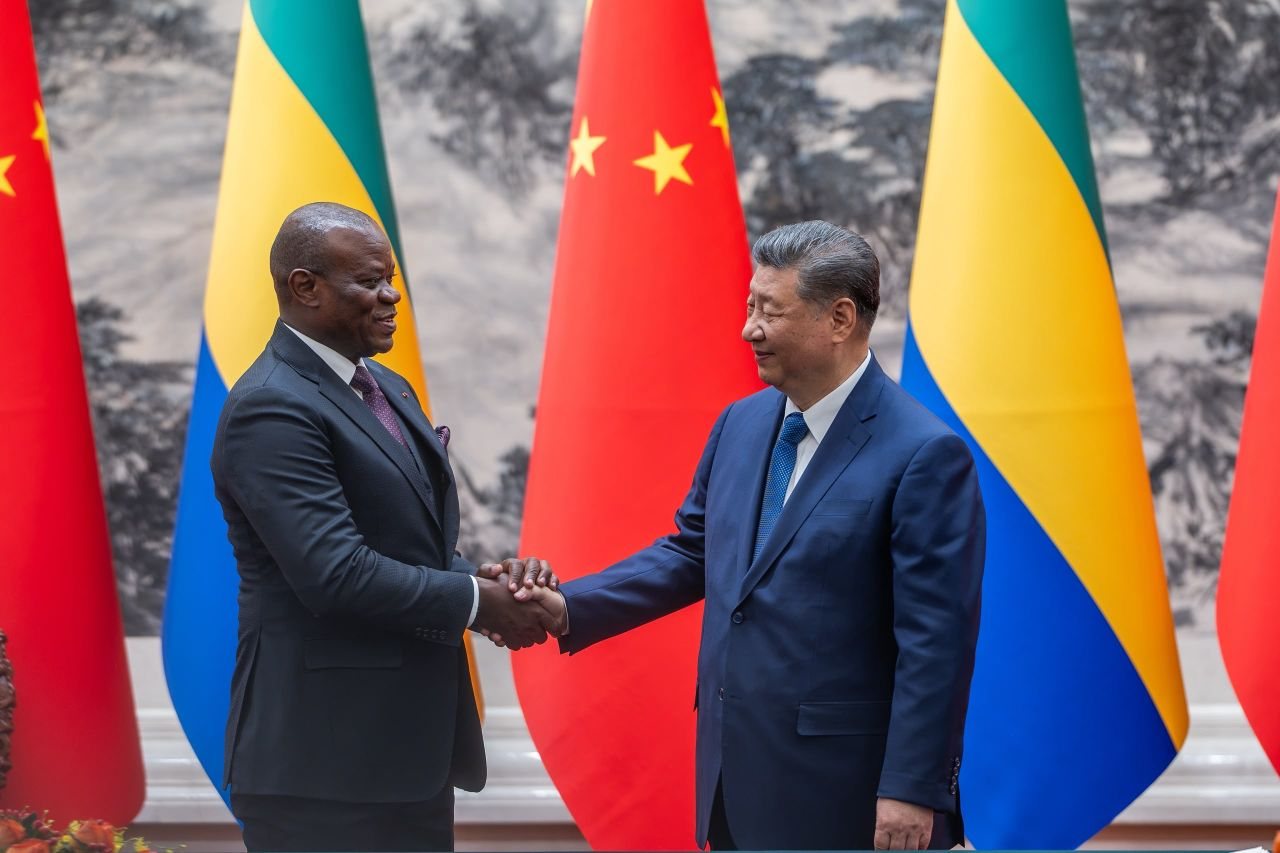
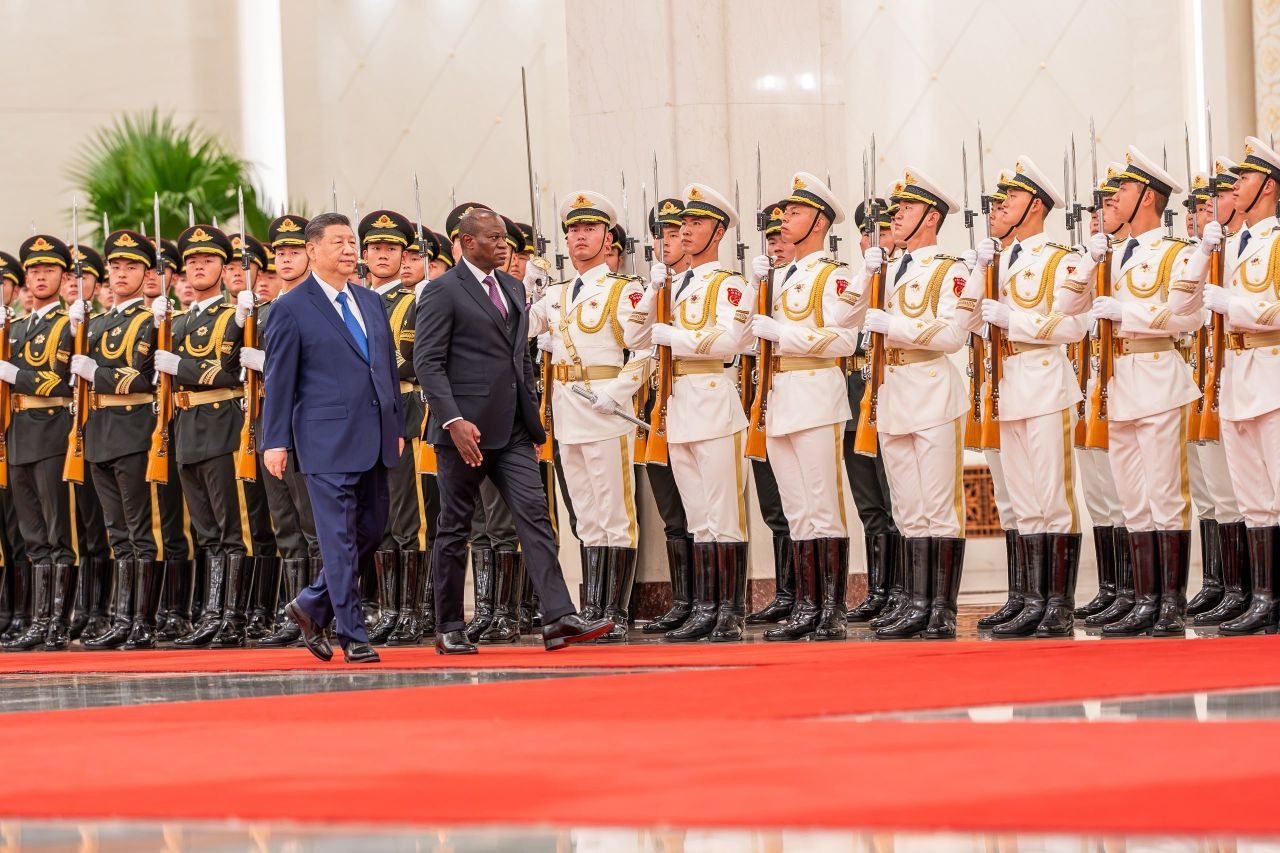
On November 6, 2026, Beijing rolled out the red carpet for Gabon's president, Brice Clotaire Oligui Nguema. Literally. An honor guard in three uniforms. Children waving the flags of both nations. A state banquet. A signing table with a green folder for Gabon and a red folder for China.
I watched the photos come in from the Presidency of Gabon. Then I read the outcome. A joint declaration lifting the relationship to a “community with a shared future.” Six memorandums of understanding signed in one visit. And a public commitment from China to help Gabon process its own resources at home, under its 2026 to 2030 national growth plan.
That is not hospitality. That is a game plan.
Last week I wrote that the world stopped waiting for the United States, and that in Africa, Chinese partners are present, priced, and committed while we run webinars and wait. This week I watched that sentence turn into a ceremony. And then into a contract I had worked on for years, handed to someone else.
In Africa, the deal does not start at the signing table. It starts at the door. How you open it. How you shake the hand. Who you send to meet the plane. Every detail is a message, and every message is read.
Why is the United States losing ground in Africa?
Because Africa reads every signal, and the signals from Washington say Africa can wait. As of July 2026, 41 African countries had no Senate confirmed U.S. ambassador. New U.S. tariffs sit on top of African exports, while China opened zero tariff access to 53 African countries on May 1, 2026. And when African presidents visit Washington, the reception feels like an audition, not a partnership.
China treats Africa as a long term investment. The United States too often treats it as a transaction to close before lunch ends. African leaders see the difference, and they sign accordingly.
Two receptions, one president
The same man sat at both tables. That is what makes the comparison fair.
In July 2025, President Oligui Nguema came to the White House with four other West and Central African heads of state. One lunch, five presidents, one table. When Mauritania's president began describing his country's uranium and lithium, he was cut off and asked to just give his name and his country. Liberia's president was complimented on his English, in a country where English is the official language. A caller from Dakar told RFI the five leaders looked like job candidates.
Gabon's president used his few minutes well. He said Gabon holds rare earths and about a quarter of the world's known manganese. He said he wanted that manganese processed at home, to create jobs for young Gabonese. And he said, politely, that if American companies did not come, other countries would.
They did. Sixteen months later, the other country gave him a five day state visit, his first since taking office, a military honor guard, a banquet hosted by its head of state, and a signed commitment to help Gabon transform its resources at home. Exactly what he asked Washington for.
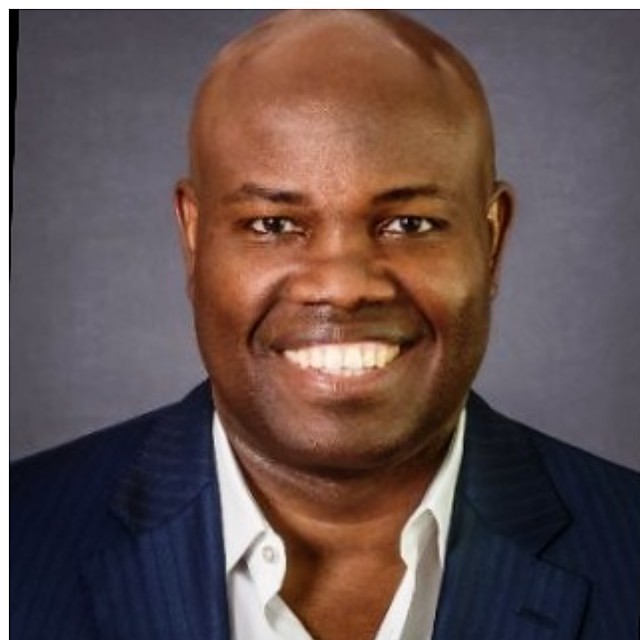
I am an American. I chose this country. I co-chair the American Business Council Gabon because I want American companies to win in Africa. That is why this stings. We were told what Gabon wanted. Out loud. At our own table.
An empty chair is also a message
Africa has 54 countries. As of July 2026, 41 of them had no Senate confirmed U.S. ambassador. Gabon is one of them, since January 2026. The gap widened last December, when Washington recalled more than a dozen career ambassadors from the continent at once. A former U.S. ambassador to Botswana called the vacancy rate without modern precedent.
I respect the career diplomats who run those embassies as chargés d'affaires. Many are excellent. But a chargé manages the building. An ambassador opens the president's door. When a country sends a placeholder for a year or more, the host government hears one sentence: you are not a priority.
There is policy, and there is politics.
Our policy papers say Africa matters. Our politics leave the chair empty. Africans believe the chair.
To be fair, understaffing in Africa did not start with this administration. It has run through several. But it has never been this wide, and it has never been this visible next to a rival that sends its best people and keeps them there.
Three MOUs signed. Three MOUs lost.
This is not theory for me.
In September 2024, I was invited to Washington with about 30 other American companies to meet Gabon's president at the U.S. Chamber of Commerce. Four of us made the trip: me, our CFO, our VP of International Business Development, and our Head of Marketing. We came to work, not to watch. My company was selected for a closed round table with the president and his senior staff. It was real. Real questions, real projects, real interest on both sides of the table.
Then came the official signing ceremony. Gabon's minister of foreign affairs. The president. The U.S. ambassador to Gabon, Vernelle Trim FitzPatrick, one of the most engaged diplomats I have ever worked with. The leaders of the U.S. Chamber. We signed three memorandums of understanding.
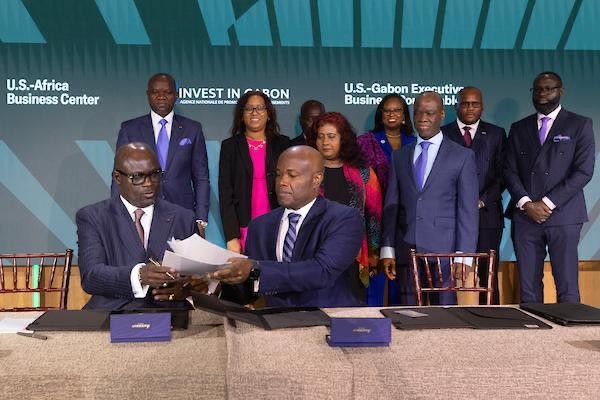
For a company our size, that was not just a deal. It was a turning point. It showed what we could become, and it was built to grow into new projects. Ambassador FitzPatrick proved the point of this whole article: when the right person sits in the chair, doors open. In January 2026, she was among the career ambassadors called home. Gabon has had no U.S. ambassador since.
We lost all three.
Not to a better proposal. We lost them to a lack of support from our own side, to tariff decisions made in Washington with no thought for a small partner, and to politics that changed the rules every few months. Gabon was suspended from the U.S. trade preference program AGOA in 2024 and only reinstated this year. Meanwhile new U.S. tariffs landed on top, and China opened its market duty free. What happened inside that process deserves its own story. I will tell it in my next piece.
All three went to the same company: Huawei. This week I watched the last one go, openly.
So what was it? Incompetence on our side? Not enough size? I have asked myself both. The honest answer is simpler. China showed up, stayed, financed, and followed through. We sent signals that said we might.
If I sat in the president's chair, I would have made the same decision. A head of state owes his people results, not loyalty to a partner who will not return his calls.
The new economy runs on two things. Africa has both.
The next economy runs on data and natural resources. Africa holds an abundance of both.
The resources are known. Manganese, cobalt, lithium, rare earths, oil, timber. Gabon alone holds about a quarter of the world's known manganese, a key input for batteries and steel.
The data is the part most people miss. Much of Africa's data has not been collected yet. Health records still on paper. Farm yields nobody has measured. Land titles, languages, mobile payments, weather, soil. Whoever builds the systems that collect that data will shape the markets, the research, and the products that come out of it. For decades.
That is why a technology MOU going to Huawei matters more than a road or a stadium. Infrastructure is not just concrete anymore. It is who holds the keys to the data. I spent 25 years building technology systems in 15 countries. I know that the company that installs the system usually runs it for a generation.
This is the sovereignty question from my last piece, playing out in real time. Africa will own its data or rent it back. Right now, the best offer on the table is not coming from us.
What a serious America would do Monday morning
None of this needs a new doctrine. It needs follow through.
- Fill the chairs. Nominate ambassadors to every African capital, starting with the resource and data economies. Give them a commercial mandate, not just a security brief.
- Receive presidents like partners. One leader, one visit, full protocol. Prepare the room. Know the names. Know what they asked for last time.
- Make trade predictable. A partner cannot plan a ten year mine or data center around tariffs that change every quarter. Lock in terms for a decade.
- Finance at the speed of the MOU. If China can move from signature to financing in months, the DFC and EXIM must too. An MOU with no money behind it in twelve months is a press release.
- Process at home. Gabon asked for local transformation of its manganese. Build that offer with them. Value added in Africa is the deal, not a concession.
- Build data systems Africans own. Offer infrastructure where the data stays in the country and the know how transfers to local engineers. Sovereignty is the one thing America can offer better than anyone, if we choose to.
The door will not stay open forever
I grew up in Haiti. I know what it feels like when a powerful country talks about you instead of with you. Africa knows that feeling too. It also knows it now has choices.
The colonial mindset assumed Africa would always wait at the door. That world is over. Today Africa opens the door, and it decides who walks in first.
Right now the door is still open. Gabon still says it is free and open to one and all. But every empty embassy, every rushed lunch, every lost MOU pushes it a little closer to shut. And when that door closes, it will take a generation to open it again.
The handshake is the deal. Let's start shaking hands like we mean it.
If this piece sharpened a thought for you, send it to someone who’d benefit from the same sharpening.
- 1.Gabonreview: President Oligui Nguema's state visit to China, November 3 to 7, 2026
- 2.Présidence de la République gabonaise: joint declaration and six MOUs, November 6, 2026
- 3.AllAfrica / RFI: reactions to the White House lunch with five African presidents, July 2025
- 4.Semafor: the U.S. lacks confirmed ambassadors in 41 African countries, July 2026
- 5.KPMG: Gabon reinstated as an AGOA beneficiary, May 2026
- 6.Modern Ghana: U.S. tariffs and China's zero tariff policy for 53 African countries